Choosing the perfect domain for your personal website is more than just a technical necessity—it's a foundational step that can shape your entire online identity. In 2024, with over 1.1 billion websites live globally and fierce competition for digital attention, securing the right domain name is crucial for standing out, building credibility, and ensuring visitors remember you. Whether you're a freelancer, creative professional, or simply looking to craft a compelling online presence, this guide will walk you through all the factors you need to consider before buying your domain.
The Strategic Importance of Your Domain Name
A domain name is not just a web address; it's the digital front door to your personal brand. According to Verisign's 2023 Domain Name Industry Brief, there are more than 350 million registered domain names worldwide, making the marketplace fiercely competitive. The wrong domain can make it hard for people to find you, damage your credibility, or even send visitors to a competitor.
A memorable and meaningful domain name can: - Increase direct traffic by up to 25%, as people are more likely to recall and type in simple names. - Enhance search engine rankings, especially when relevant keywords are included. - Foster trust and legitimacy with your target audience.When you consider that 75% of users judge a company's credibility based on its website design and domain according to Stanford Web Credibility Research, it’s clear your choice matters. But how do you make the right call?
.png)
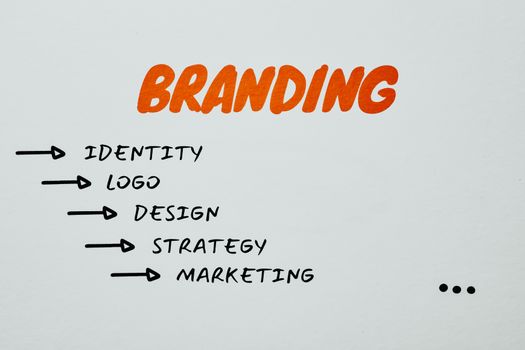
Branding and Memorability: Keys to a Lasting Impression
One of the most significant factors in choosing your domain is making sure it's easy to remember and aligns with your personal brand. Research from GoDaddy shows that domains under 15 characters are 53% more likely to be remembered by users. Here are key branding considerations:
- $1 Avoid complicated words, hyphens, or numbers. For instance, "JohnSmith.com" is easier to remember than "John-Smith-2024.com". - $1 Your domain should reflect your name, profession, or niche. If you’re a photographer, something like "JaneDoePhoto.com" instantly communicates your field. - $1 Choose words that are commonly spelled correctly. Complex or ambiguous spellings can cost you traffic. - $1 Conduct a search to ensure your domain isn’t similar to existing brands or websites to avoid confusion and potential legal issues.A study by Nielsen Norman Group found that users are 39% more likely to revisit a site if the domain is short and descriptive. So, prioritize memorability—your future visitors will thank you.
Domain Extensions: .com vs. Alternatives
The domain extension, or Top-Level Domain (TLD), is what comes after the dot—like .com, .net, or .me. As of 2024, there are over 1,500 TLDs available, giving you more options than ever before. But which should you choose?
The classic .com is still the king, accounting for over 46% of all domain registrations globally. However, new TLDs like .me, .online, and .dev are gaining popularity, especially for personal brands and portfolios. Here’s a comparison table to help you decide:
| Extension | Popularity (%) | Best For | Average Price (USD/year) | Perceived Credibility |
|---|---|---|---|---|
| .com | 46% | General, universal appeal | $10-15 | Very High |
| .me | 2% | Personal branding, portfolios | $15-25 | High |
| .net | 3% | Tech, networking | $10-18 | Moderate |
| .online | 1.5% | Modern, versatile | $1-30 | Moderate |
| .dev | 0.8% | Developers, tech professionals | $12-20 | High (in tech) |
While .com is most trusted, niche extensions like .me or .dev can help you stand out—especially if the .com version is unavailable. Just be aware that some users may unconsciously default to typing .com, so consider registering both your primary and alternate TLDs if possible.
SEO and Keyword Considerations
Search engines like Google use hundreds of factors to rank websites, and your domain name can influence your visibility. In 2022, a Backlinko study found that domains with relevant keywords can see a 5-10% boost in click-through rates from search results.
Here are some SEO best practices when choosing your domain: - $1 If you’re a graphic designer, "JaneSmithDesign.com" is more likely to attract relevant traffic than "JaneSmithWorld.com". - $1 Overloading your domain with keywords (e.g., "Best-New-York-Personal-Website-Designer.com") looks spammy and can hurt credibility. - $1 Older domains sometimes have a slight SEO edge, but this is only relevant if you’re buying a pre-owned domain. For new domains, focus on building quality content instead.Remember, while keywords can help, Google's algorithms prioritize user experience and content quality above all. Choose a domain that balances search potential with brand appeal.
Practical Factors: Availability, Costs, and Future-Proofing
Before falling in love with a name, confirm its availability. According to Domain Name Stat, over 100,000 domains are registered daily, so prime names are snapped up fast. Here’s what you need to check:
- $1 Use domain registrars like Namecheap, GoDaddy, or Google Domains to search your desired name. If it’s taken, consider slight variations or alternative TLDs. - $1 Make sure your domain doesn’t infringe on existing trademarks. The United States Patent and Trademark Office (USPTO) website is a good place to start. - $1 While most domains cost $10-20 per year, premium names can run into thousands of dollars. Set a budget and be wary of upsells. - $1 Some TLDs have low first-year rates but much higher renewal costs—read the fine print before purchasing. - $1 Consider if you want a custom email (like you@yourdomain.com) or plan to add subdomains (e.g., blog.yourname.com) in the future.Future-proofing is also vital. Consider how your brand might evolve—will your domain still fit if you change careers or expand your focus? Flexibility can save costly rebranding down the line.
Security and Privacy: Protecting Your Digital Identity
Many domain buyers overlook security. However, with domain hijacking and phishing attacks on the rise (the Anti-Phishing Working Group reported a 22% increase in domain-based phishing in 2023), protecting your domain is essential.
Key steps include: - $1 Most registrars offer WHOIS privacy, which hides your personal information from public databases. This can prevent spam and identity theft. - $1 Enable this on your registrar account to prevent unauthorized access. - $1 Set your domain to auto-renew so you don’t risk losing it due to an expired payment method. - $1 Choose established registrars with strong security protocols and customer support.These steps not only protect your domain but also reassure visitors that your website is professionally managed.
Final Thoughts on Choosing the Right Domain for Your Personal Website
Selecting a domain name is one of the most important decisions you’ll make in building your personal online presence. It’s your digital calling card—impacting branding, SEO, trust, and even long-term flexibility. By focusing on memorability, the right extension, smart keyword use, practical considerations, and robust security, you can secure a domain that supports your goals today and in the future.
Don’t rush the process: brainstorm, check for availability, and imagine how your domain will look on business cards, social profiles, and email signatures. The right choice will pay dividends for years to come as you grow your personal brand online.