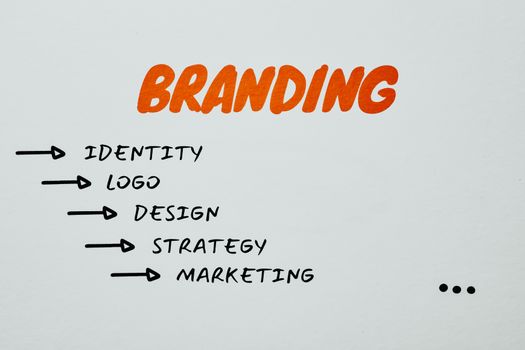
A blog on a personal website is more than just a digital diary—it’s a powerful tool for shaping your professional image, expanding your network, and standing out in a crowded digital world. In an era where 77% of employers search for candidates online before hiring, and 53% of decision-makers said a strong online presence influences their choices, your blog can be the linchpin of your personal brand. But how exactly can you leverage a personal website blog to build, reinforce, and amplify your personal brand? Let’s explore actionable, sometimes surprising, strategies to maximize your impact.
Showcase Your Unique Voice and Perspective
The internet is flooded with information, but what sets a personal brand apart is authenticity. Your blog is the ideal platform to express your unique voice, values, and perspectives—qualities that employers, collaborators, and followers increasingly value.
Writing posts that highlight your decision-making process, lessons learned from mistakes, or reflections on industry trends not only demonstrate your expertise but also humanize your personal brand. For example, sharing a case study about a failed project and the steps you took to turn it around can be far more compelling than a standard resume bullet point.
.png)
According to a 2023 Edelman Trust Barometer report, 63% of people trust content from individuals more than from brands. By consistently publishing thoughtful, authentic posts, you establish trust and credibility that can’t be matched by a static “About Me” page.
Document and Demonstrate Skill Growth Over Time
Personal branding is as much about your journey as it is about your current skills. A blog uniquely allows you to document your development, showcase ongoing projects, and illustrate tangible progress.
Consider a monthly “progress journal” post where you outline new skills you’re acquiring, certifications achieved, or personal milestones reached. For instance, if you’re learning a programming language, you could share code snippets, project outcomes, and resources you found valuable. If you’re a designer, regular blog entries could feature before-and-after images or design evolution stories.
Recruiters and potential clients appreciate seeing growth and adaptability. A LinkedIn survey found that 92% of talent professionals consider soft skills and ongoing learning essential when evaluating candidates. By using your blog as a living portfolio and timeline, you make your learning process transparent and your commitment to improvement unmistakable.
Build Authority Through Original Research and Thought Leadership
To truly stand out, go beyond commentary and become a source of insight. Publishing original research, data analysis, or industry-specific studies positions you as a forward-thinking thought leader.
For example, if you’re in marketing, you might survey your network about emerging trends and share the results. If you’re in technology, conduct small experiments or performance comparisons and publish the findings. Even a simple poll or analysis of publicly available data can provide fresh angles that attract attention.
Consider the following comparison table illustrating the impact of different types of blog content on perceived authority, based on a 2022 Content Marketing Institute survey of 1,200 professionals:
| Content Type | Percentage Reporting Increased Authority | Average Engagement Increase |
|---|---|---|
| Original Research & Data | 71% | +48% |
| Industry Commentary | 54% | +22% |
| Personal Stories | 49% | +31% |
| Curated Content | 27% | +14% |
This data shows that original research and data-driven posts not only elevate your authority but also boost engagement rates dramatically compared to other content types.
Create Opportunities for Strategic Networking
A blog isn’t just a broadcasting tool—it’s a networking engine. Well-written posts can attract comments from peers, questions from newcomers, and even invitations to collaborate from industry leaders.
One effective strategy is to feature guest contributors or interview experts on your blog. This not only enriches your content but also forges connections and cross-promotion opportunities. When you publish an interview with a respected figure in your field, both you and your guest benefit from shared audiences, multiplying your reach.
Another approach is to write thoughtful responses to trending topics or open letters to key players in your sector. Such posts give you visibility within the community and mark you as an engaged, proactive participant.
In fact, a 2021 HubSpot survey found that 60% of bloggers who collaborated with others saw an increase in inbound opportunities, from job offers to speaking engagements.
Use Storytelling to Build Emotional Connections
Great personal brands aren’t built on skills alone—they’re built on stories. Storytelling helps readers relate to you, remember you, and root for your success.
Share narratives that go beyond your resume: the challenges you’ve overcome, the mentors who changed your path, or the “aha” moments that shaped your philosophy. For example, if you switched careers, write about the uncertainty and excitement of starting fresh. If you’ve faced a major setback, detail how you rebuilt your confidence and skill set.
Research from Stanford University found that stories are 22 times more memorable than facts alone. When you weave storytelling into your blog posts, you invite your audience to connect with you emotionally, making your personal brand not just visible, but unforgettable.
Support Your Personal Brand with Consistent Visual Identity
While words are powerful, the visual presentation of your blog plays a crucial role in reinforcing your brand. Consistent use of color schemes, typography, imagery, and layout can make your blog instantly recognizable.
Create branded templates for your blog posts—such as custom headers, signature photo styles, or unique icon sets. For example, a photographer might use a consistent photo editing style, while a developer might share annotated code screenshots with a custom watermark.
A 2022 Lucidpress report showed that consistent branding increases revenue by 33%. While your blog may not be selling products, it is marketing you—and visual consistency makes your brand appear more professional and trustworthy.
Amplifying Reach: Content Repurposing and Multi-Channel Sharing
Publishing a blog post is just the beginning. To truly amplify your personal brand, repurpose your content and share it across multiple platforms.
Turn key blog insights into LinkedIn articles, Twitter threads, or short video explainers. Create infographics summarizing your research or stories, and share them on Instagram or Pinterest. By adapting your blog content for different audiences and formats, you exponentially increase your visibility and reinforce your brand across the digital landscape.
For example, a single in-depth blog article can generate: - 3 LinkedIn posts - 1 YouTube explainer video - 2-3 Instagram carousel posts - 1 email newsletterThis “content atomization” strategy ensures your expertise reaches a broader audience, and every new touchpoint strengthens your overall personal brand.
Final Thoughts: Blogging as a Foundation for Lasting Personal Branding
Your personal website’s blog is far more than a section for occasional updates—it’s a dynamic, multipurpose tool for building, showcasing, and evolving your personal brand. By thoughtfully crafting your content, documenting your journey, supporting your brand visually, and strategically networking and sharing, you transform your blog into a launchpad for career growth and influence.
As digital competition grows and people increasingly turn to the web for first impressions, investing in a blog isn’t just a smart move—it’s essential for anyone looking to leave a lasting mark.