Establishing a Professional Image through Your Personal Website: A Comprehensive Guide
In today’s digital-first world, a personal website is more than just an online resume—it’s your professional calling card. Whether you’re an entrepreneur, a creative, or a seasoned executive, your website serves as the first impression for potential employers, collaborators, and clients. But simply having a website isn’t enough. The way you present yourself through design, content, and user experience can either elevate your professional image or undermine it. In this guide, we’ll explore advanced strategies to establish a truly professional image with your personal website, using proven methods backed by data, real-world examples, and expert insights.
The Psychology of Professional Perception Online
First impressions are formed in a split second. According to a study by the Missouri University of Science and Technology, website visitors form an opinion about a website’s visual appeal within just 0.2 seconds. Crucially, that snap judgment extends to perceptions about your competence, trustworthiness, and professionalism.
Your personal website is a direct reflection of your brand. Subtle cues—such as font choices, visual hierarchy, and navigation structure—signal to visitors whether you’re detail-oriented, current with technology, and serious about your field. For example, research shows that 75% of users admit to making judgments about a company’s credibility based on the company’s website design (Stanford Web Credibility Research, 2023).
.png)
A professional image isn’t just about looking good; it’s about conveying reliability, expertise, and approachability. Understanding how users interpret these cues is the first step toward building the right image.
Design Elements that Signal Professionalism
Design is the most immediate way to communicate professionalism. But what exactly does a “professional” website design entail? Here are several key elements:
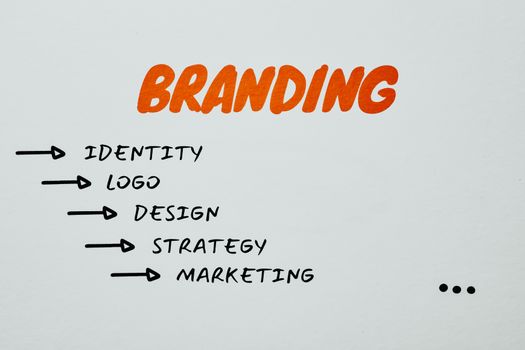
1. Consistent Branding: Use a defined color palette, logo, and typography. According to Lucidpress, consistent brand presentation across all platforms can increase revenue by up to 23%. On your personal website, this consistency reassures visitors that you’re meticulous and organized. 2. Clean Layouts: Avoid clutter. White space not only enhances readability but also signals confidence and sophistication. A Harvard Business Review study found that users equate simplicity with trustworthiness. 3. Responsive Design: With over 58% of global web traffic coming from mobile devices (Statista, 2024), your website must look professional on every screen size. Responsive design is no longer optional. 4. High-Quality Images: Professional headshots and project imagery build credibility. Grainy or outdated visuals can instantly degrade your perceived expertise. 5. Subtle Interactivity: Thoughtful animations, hover effects, and transitions can demonstrate technical proficiency—without overwhelming the content. For instance, a smooth scrolling effect or a tasteful button animation communicates attention to detail. 6. Accessibility: A truly professional website is inclusive. Use appropriate contrast ratios, alt text for images, and keyboard navigation. According to WebAIM’s 2023 report, nearly 97% of the top 1 million websites had detectable accessibility failures; standing out as accessible instantly elevates your professionalism.Content Strategies that Demonstrate Expertise
Professionalism is as much about what you say as how you say it. Your website content should showcase your expertise, clarity, and authenticity. Consider these strategies:
1. Thoughtful Bio: Move beyond a generic “About Me.” Instead, tell a concise, compelling story that highlights your career achievements, core values, and motivations. Use specific numbers—“Led a team of 12,” “Increased sales by 30% in one year”—to provide concrete proof of your skills. 2. Strategic Case Studies: Don’t just list projects—walk visitors through your process, challenges, and outcomes. For example, include a case study showing how you redesigned a client’s workflow, quantifying the impact (e.g., “Reduced turnaround time by 40%”). 3. Professional Blog Posts: Share your insights on industry trends, best practices, or lessons learned. According to HubSpot, businesses with blogs generate 67% more leads than those without; for individuals, a well-maintained blog signals thought leadership. 4. Testimonials and Endorsements: Social proof is powerful. Display quotes from employers, clients, or colleagues that vouch for your skills and character. LinkedIn reports that profiles with recommendations are viewed 3x more often. 5. Up-to-Date Achievements: Regularly update certifications, awards, and media mentions. An outdated website can give the impression that you’re not active or relevant in your field.Professionalism through User Experience (UX)
User experience is the often-overlooked key to a professional impression. A website that’s hard to use, slow, or confusing can negate even the best content and design.
1. Fast Load Times: Google research shows that 53% of mobile users abandon sites that take longer than 3 seconds to load. Use compression tools, optimized images, and efficient code to keep your website speedy. 2. Clear Navigation: Use a simple menu structure with clearly labeled sections. Visitors should be able to find your resume, portfolio, and contact information within two clicks. 3. Contact Options: Offer multiple ways to get in touch: a contact form, email link, and even a professional phone number (using services like Google Voice). A lack of contact information can make you appear inaccessible or unapproachable. 4. Secure Browsing: Use HTTPS to ensure your site’s security. According to Google, more than 90% of browsing time on Chrome is now spent on HTTPS sites, and browsers flag insecure websites as “Not Secure”—a surefire way to lose trust. 5. Analytics and Feedback: Use tools like Google Analytics and Hotjar to observe how users interact with your site. Regularly solicit feedback and make iterative improvements. This proactive attitude reinforces your commitment to excellence.Leveraging Advanced Features to Stand Out
To truly establish a professional image, go beyond the basics. Consider adding advanced features that signal innovation and authority.
1. Video Introductions: A short, well-produced video can communicate personality and presence more powerfully than text alone. According to Wyzowl, 86% of businesses use video as a marketing tool because it builds trust and engagement. 2. Interactive Portfolios: Instead of static images, consider interactive elements—clickable case studies, before-and-after sliders, or embedded prototypes. This not only showcases your work but also your technical skills. 3. Scheduling Tools: Embed real-time booking tools (like Calendly) for consultations or interviews. This demonstrates organizational skills and respect for visitors’ time. 4. Downloadable Resources: Offer a downloadable resume, white paper, or toolkit. This positions you as a resource and gives visitors a tangible takeaway. 5. Integration with Professional Networks: Link seamlessly to your LinkedIn, GitHub, Behance, or other relevant platforms. This not only provides verification but also shows that you’re active in your field’s digital ecosystem.Comparing Website Features: Essential vs. Advanced
To help you prioritize your site improvements, here’s a comparison table of essential and advanced features for a professional personal website:
| Feature | Essential | Advanced | Impact on Professional Image |
|---|---|---|---|
| Responsive Design | Yes | Adaptive layouts for different users | High |
| Professional Headshot | Yes | Introductory video | High |
| Portfolio Samples | Yes | Interactive portfolio/case studies | Very High |
| Contact Form | Yes | Live chat/scheduling tool | Medium |
| Blog/Articles | Yes | Thought leadership series, video blogs | Medium |
| Social Links | Yes | Integrated feeds (LinkedIn, Twitter) | Medium |
| Testimonials | Yes | Video testimonials | High |
| Security (HTTPS) | Yes | SSL certificates with trust badges | High |
As shown, integrating even a few advanced features can significantly boost the perceived professionalism of your website.
Conclusion
Your personal website is your most powerful professional asset in the digital age. By understanding the psychology of first impressions, refining your design and content, prioritizing user experience, and leveraging advanced features, you can project a professional image that opens doors to new opportunities. Remember: professionalism isn’t just about looking the part—it’s about demonstrating expertise, reliability, and approachability at every touchpoint. Invest in your online presence, and your website will become a magnet for the connections and opportunities you seek.