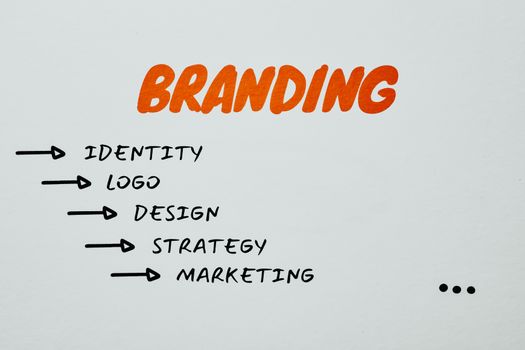
In a world where first impressions are often digital, your personal website portfolio is more than just a collection of work—it's your professional handshake, your visual resume, and a vital tool for career growth. Whether you’re a designer, developer, writer, photographer, or creative entrepreneur, crafting an attractive portfolio on your personal website is essential for standing out in a crowded digital landscape. But what does it really take to make your portfolio not only visually appealing but also effective in winning over potential clients, employers, or collaborators?
This guide dives deep into the key strategies, design principles, and practical steps for building an eye-catching and persuasive portfolio on your personal website. We’ll explore how to select your best work, structure your content, use design elements to your advantage, and harness the power of storytelling—so you can turn casual visitors into loyal fans or clients.
Understanding the Role of a Portfolio in the Digital Age
The modern portfolio has evolved far beyond a static gallery of images or project links. Today, it’s a curated and interactive showcase that reflects your unique style, expertise, and professional journey. According to a 2023 LinkedIn survey, 79% of hiring managers say that a strong online portfolio can be more impactful than a traditional resume for creative roles. For freelancers, Upwork reports that profiles with integrated portfolios attract 43% more client inquiries than those without.
.png) Key Functions of a Personal Website Portfolio:
- Demonstrates your skills and versatility
- Establishes credibility and professionalism
- Differentiates you from competitors
- Tells your professional story in a compelling way
- Provides a direct call-to-action (CTA) for next steps (e.g., contact, hire, collaborate)
Key Functions of a Personal Website Portfolio:
- Demonstrates your skills and versatility
- Establishes credibility and professionalism
- Differentiates you from competitors
- Tells your professional story in a compelling way
- Provides a direct call-to-action (CTA) for next steps (e.g., contact, hire, collaborate)
Portfolios are no longer optional—they’re expected. And how you present your work can be just as important as the work itself.
Curating Your Best Work: Quality Over Quantity
One of the most common mistakes people make is showcasing everything they’ve ever done. While it’s tempting to prove you’re experienced, a cluttered portfolio can overwhelm visitors and dilute your strongest work. A 2022 survey by Behance found that portfolios with 8-12 high-quality projects received 32% more engagement than those with more than 20.
How to Curate Effectively: - Select projects that align with your target audience or industry - Showcase a variety of skills, but keep a clear focus - Prioritize recent work to demonstrate current capabilities - Include case studies or project breakdowns for added depth - Remove outdated or less impressive workA simple rule: If it doesn’t support your narrative or represent your best, leave it out. Remember, your portfolio should act as a highlight reel, not an archive.
Structuring Your Portfolio: Layouts and User Experience
The structure and flow of your portfolio play a crucial role in keeping visitors engaged. According to a 2023 Adobe study, 38% of users will stop engaging with a site if the layout is unattractive or confusing. The goal is to make navigation intuitive, content accessible, and the entire experience enjoyable.
Essential Portfolio Layout Elements: - Clear homepage with a concise introduction or elevator pitch - Navigation menu for easy access to work, about, and contact pages - Grid or carousel gallery for showcasing projects - Individual project pages with detailed descriptions, visuals, and outcomes - Prominent CTA buttons (e.g., "Contact Me", "Hire Me", "Download Resume")Comparison of Popular Portfolio Layouts:
| Layout Type | Best For | Pros | Cons |
|---|---|---|---|
| Grid Gallery | Visual artists, designers, photographers | Easy to scan, visually appealing, flexible | Can lack context if not paired with descriptions |
| Single Project Focus | Developers, case-study-driven roles | Allows deep dives, tells a story | May require more clicks to see all work |
| Scrolling Timeline | Writers, marketers, career changers | Shows progression, great for storytelling | Can get lengthy, harder to highlight best work |
| Hybrid (Grid + Case Studies) | Multi-disciplinary creatives | Balanced, offers variety and detail | Requires thoughtful organization |
Choose a format that matches your field and the kind of story you want to tell. Make sure navigation is seamless on both desktop and mobile devices—over 58% of web traffic is now mobile, according to Statista.
Design Principles for an Attractive Portfolio
Attractiveness isn’t just about flashy visuals; it’s about a polished, cohesive, and purposeful design that enhances your work rather than distracts from it. Even if you’re not a designer, applying a few key principles can make a dramatic difference.
Key Design Tips: - Use consistent fonts, colors, and spacing for a professional look - Allow for generous white space to reduce visual clutter - Optimize image quality and loading speed (Google reports that 53% of mobile users abandon sites that take longer than 3 seconds to load) - Keep animations subtle and purposeful - Add custom branding elements, such as a logo or personal icon - Use responsive design to ensure your site looks great on all devicesConsider accessibility: Ensure text contrasts strongly with the background, provide alt text for images, and make navigation keyboard-friendly. These steps not only improve usability but also boost your site’s SEO and reach.
The Power of Storytelling in Portfolio Presentation
Beyond showcasing your work, your portfolio is an opportunity to weave a narrative about who you are and what you stand for. Storytelling humanizes your expertise and helps visitors connect with you on a deeper level. According to Harvard Business Review, stories are up to 22 times more memorable than facts alone.
How to Incorporate Storytelling: - Introduce each project with context: What was the challenge? Why did it matter? - Explain your process: How did you approach the problem? What unique skills did you apply? - Highlight outcomes and results: Use data where possible (e.g., "Increased user engagement by 40% after redesign") - Reflect on lessons learned or creative growth - Infuse personal elements: Your motivations, passions, or the story behind your careerA strong narrative can transform a portfolio from a static display into an engaging journey—one that persuades visitors you’re the right fit for their needs.
Optimizing Your Portfolio for Visibility and Engagement
Building an attractive portfolio is only half the battle; ensuring people find and interact with it is just as important. SEO (Search Engine Optimization) and strategic sharing can amplify your reach and impact.
SEO Tips for Portfolio Pages: - Use descriptive project titles and meta descriptions - Incorporate relevant keywords naturally in text and image alt attributes - Compress images for faster load times without sacrificing quality - Add internal links to related projects or blog posts - Create a sitemap and submit it to Google Search Console Boosting Engagement: - Include testimonials or client quotes for social proof (92% of consumers trust recommendations from peers, Nielsen reports) - Offer downloadable resources, such as resumes or case studies - Add share buttons to encourage visitors to spread your work on social media - Regularly update your portfolio with new projects or blog postsIf you track analytics, pay attention to which projects get the most views, clicks, or inquiries. This data can guide you in refining your portfolio for maximum impact.
Final Thoughts on Creating an Attractive Portfolio for Your Personal Website
An attractive portfolio is more than just a digital gallery—it’s a strategic tool for building your brand, advancing your career, and connecting with your ideal audience. By carefully curating your best work, designing for clarity and engagement, telling your professional story, and optimizing for both users and search engines, you position yourself for greater opportunities in the digital marketplace.
Remember, your portfolio is a living document. Revisit and refresh it regularly to reflect your evolving skills, passions, and achievements. With the right approach, your personal website portfolio can open doors, spark conversations, and leave a lasting impression long after visitors have left your site.