Creating a personal website is like crafting your own digital storefront: it's essential for showcasing your skills, building your brand, or sharing your portfolio. With the right elements, you can make a website that captivates and connects with your audience. Here’s how to ensure your personal website is engaging and effective.
- Visual Appeal and Brand Alignment
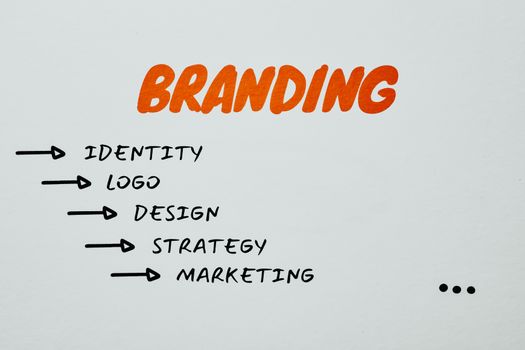
First impressions matter. A visually appealing design that aligns with your personal or professional brand can make a significant difference. Opt for a clean, modern aesthetic that uses a consistent color palette and typographic details. This not only helps in maintaining brand consistency but also in making the website aesthetically pleasing.
- Quality Content
Content is at the heart of your website. It’s vital to articulate who you are, what you offer, and how you differentiate yourself. Include an 'About' page that narrates your story engagingly, a 'Portfolio' or 'Services' page that showcases your expertise, and a 'Contact' page for easy communication. Ensure the content is succinct, clear, and tailored to your target audience.
.png)
- SEO Optimization
To reach a wider audience, SEO cannot be overlooked. Incorporate relevant keywords naturally in your text, use meta tags effectively, and optimize image alt texts. These practices help improve your website’s visibility and search engine ranking. Additionally, a mobile-responsive design enhances usability and supports SEO efforts.
- Quick Load Times
User experience can be severely hampered by slow load times. Optimize your website’s speed by compressing images, minimizing the use of heavy scripts, and utilizing browser caching. Faster loading times reduce bounce rates and improve overall engagement.
- Intuitive Navigation
A website should be straightforward to navigate. Design a simple menu that links to all major sections of your site. Consistent and intuitive navigation helps prevent confusion and enhances the user experience, making information easy to find.
- Social Media Integration
Social media is a powerful tool for building connections. Include social media links or feeds on your website to extend your reach and foster community. This not only boosts your online presence but also provides a platform for continuous engagement with your audience.
- Regular Updates
An updated website reflects an active and relevant brand or professional. Regularly refresh content, showcase recent projects, and tweak the design to keep the site current and engaging. This activity signals to both visitors and search engines that your site is a valuable, up-to-date resource.
- Robust Security
In an era of increased digital threats, website security is paramount. Secure your site with HTTPS, use strong passwords, and keep platforms or plugins up-to-date. Consider additional safeguards like firewalls or SSL certificates to protect user data and enhance trust.
- Personal Flair
Adding personal elements can transform your website from a generic page into a vibrant digital persona. Include professional photos, a blog with personal insights or professional tips, and testimonials to add credibility and authenticity. Personal touches engage visitors and give a glimpse into your personality.
Conclusion
An engaging personal website is a blend of aesthetics, functionality, and personalization. By focusing on these essential elements, you can create a standout digital presence that not only looks professional but also effectively communicates your unique brand and values to the world.